
Someone just texted you “hope you are doing well.” Now what? It’s one of the most common greetings out there, and most of us freeze for a second before replying. A good hope you are doing well reply doesn’t need to be fancy.
Whether it’s a client, a manager, or a friend, knowing how to reply for hope you are doing well keeps things warm and easy. This guide covers a simple reply to hope you are doing well, plus a few takes on a hope you are doing a good reply for any situation, casual or formal.
Quick Answer (If You’re Short on Time)
The easiest reply is simple: thanks, I’m doing well, and I hope you are too. Adjust the wording slightly depending on whether you’re talking to a friend, a coworker, or a client.
Want me to fold this into the article as its own section near the top, right after the intro? That’s usually where a “quick answer” box works best for readers skimming on mobile.
Why We Use “Hope You Are Doing Well” Phrases
Before you craft the perfect reply, it helps to know why this phrase shows up everywhere. It’s more than just filler.
The Real Reason Behind This Common Greeting

Think of “hope you are doing well” as the written version of a friendly nod or a warm handshake. Its job isn’t to start a deep conversation about your mental state. It’s more like a social lubricant.
In business communication, it works as a courteous buffer before the sender gets to the actual point. In personal messages, it’s a low-pressure way to show you care without asking for too much in return.
Why Your Response Shapes the Relationship
A flat “fine, thanks” can quietly close the door on connection. A thoughtful reply, on the other hand, shows presence, respect, and a bit of emotional intelligence.
How you respond sets the tone for workplace conversations, client emails, and networking messages going forward.
Professional Replies for Formal Settings (Hope You Are Doing Well Reply Examples)

This is where most people freeze up. You want to sound polite, not stiff. Warm, but still professional.
Standard Replies for Clients and Executives
- “Thank you for the kind message. I hope your week has been productive as well.”
- “I appreciate you reaching out. I’m doing well, thank you, and I trust things are good on your end too.”
- “Thanks for your email and good wishes. Things are going smoothly here, and I hope the same for you.”
- “That’s kind of you to ask. Everything is well on my end, and I hope you and your team are doing great too.”
Polite Responses for Networking and New Contacts
- “Thanks for the message! I’m doing well, and I hope you are too. Great to connect with you.”
- “I appreciate you checking in. All is well here. Hope your week is going great so far.”
- “Thank you! Things are good on my end. Hope you’re doing well too.”
- “That’s thoughtful of you, thank you. I’m well, and I hope this finds you in good spirits.”
Engaging Answers to Build Professional Rapport
- “Thanks! I’m doing well, staying busy with a few current projects. Hope things are going smoothly for you.”
- “I appreciate that! All is well here. Hope your week has been productive.”
- “Doing well, thank you! Hope the same goes for you.”
- “Thanks for asking! I’m well. Hope your team’s projects are moving along nicely.”
Original Replies to Make a Lasting Impression
- “That’s kind of you, thank you. I’m doing well and looking forward to what’s ahead this week.”
- “I appreciate you asking. Doing well, no complaints here!”
- “Thank you. I’m doing well, and I hope you are too.”
- “All is well here, thanks for asking! Hope your week is off to a strong start.”
A Master List of Replies for Every Tone
Let’s move past the boardroom now. Here are replies that fit just about every corner of your life.
Relaxed Responses for Friends and Close Colleagues
- “Thanks! All good here, how about you?”
- “Doing well, thanks for checking in!”
- “Can’t complain. Hope you’re doing great too.”
- “Hanging in there. Hope your week’s treating you well.”
Humorous and Witty Comebacks
- “Coffee’s hot, my inbox’s full, so yeah, doing well.”
- “Doing well and pretending the inbox doesn’t exist.”
- “All good on this end!”
- “Vertical and caffeinated. Living the dream.”
Supportive and Understanding Answers
- “I’m doing okay. Thanks for checking in on me.”
- “Managing fine, and I appreciate you asking.”
- “Taking things one day at a time these days.”
- “Getting there. Thanks for being thoughtful about it.”
Positive and Energetic Replies
- “Doing wonderfully, thank you!”
- “Feeling pretty great today, actually.”
- “All good here, and feeling optimistic too.”
- “Doing brilliantly, thanks for asking!”
Brief and Direct Responses for Busy Inboxes
- “Doing well, thanks.”
- “All good here.”
- “Good, thank you.”
- “Good, likewise.”
Read more: 80 Romantic Replies to “The Moon Is Beautiful, Isn’t It?” (Sweet, Flirty & Deep Responses)
Choosing the Right Response for the Situation
Picking the right reply depends on context. Consider your relationship with the sender, the email’s purpose, and their tone. Match formality when needed, mirror their style, and always acknowledge the greeting before moving into your main message.
Think About Your Relationship with the Sender
- Formal contact → keep it professional
- Colleague → warm, but still polished
- Friend → casual or even a little playful
Match Your Reply to the Email’s Purpose
A request or ask: Acknowledge the greeting first, then move straight into the request so the message stays clear. For example: “Thank you, I’m doing well. Regarding your question about the report…”
Networking or a check-in: Keep things polite and professional while returning the sentiment, so the conversation stays open. For example: “I’m doing well, thank you. I hope you’re doing well too and having a productive week.”
Bad news or a heavy topic: Start with a neutral, brief acknowledgment before getting into the actual matter. For example: “Thank you for checking in. I’m doing okay. As for what you mentioned…”
Mirror Their Communication Style
This might be the single most useful rule in email communication. Notice how the other person writes, then let that shape your reply. Short and to-the-point message? Keep yours brief too. Warm and detailed message? Feel free to add a bit more personality.
Mirroring their style this way builds rapport fast. It makes the exchange feel natural instead of stiff or mismatched.
Writing the Full Reply
Your opening line sets the tone, but the rest of the email still needs to flow smoothly into your main point.
Subject lines that get opened:
- For replies: keep “Re: [Original Subject]” as-is. Simple works best.
- For new threads: be specific. “Follow-up on Q3 Data” beats a vague “Checking In” every time.
The three-part reply framework:
- Acknowledge the greeting
- Transition smoothly
- Deliver your main message
Five Real-World Email Examples
Replying to a Key Client: “Dear [Client Name], thank you for your email and your kind words. I’m doing well, and I hope you and your team are having a productive week too. As for the proposal, I’ve attached the updated document with the revised figures we discussed…”
Responding to Your Manager: “Hi [Manager’s Name], thanks for checking in, I’m doing well, hope you are too. The project’s on track. I’ve finished the first draft and will share it with the team by end of day…”
Answering a Friend’s Message: “Hey! Doing well, just swamped with [life thing]. Thanks for asking! How are you, though? Feels like we’re due for a real catch-up soon.”
A Playful Response to a Teammate: “Doing well and fighting off the Monday scaries! Hope your day’s off to a good start. Quick question on the Slack campaign, though, did you want the new logo or the old one for the graphic?”
A Quick Template for Efficiency: “Hi [Name], doing well, thanks! Hope you are too. [Deliver your main message here.] Best, [Your Name]”
10 Rules for Flawless Reply Emails
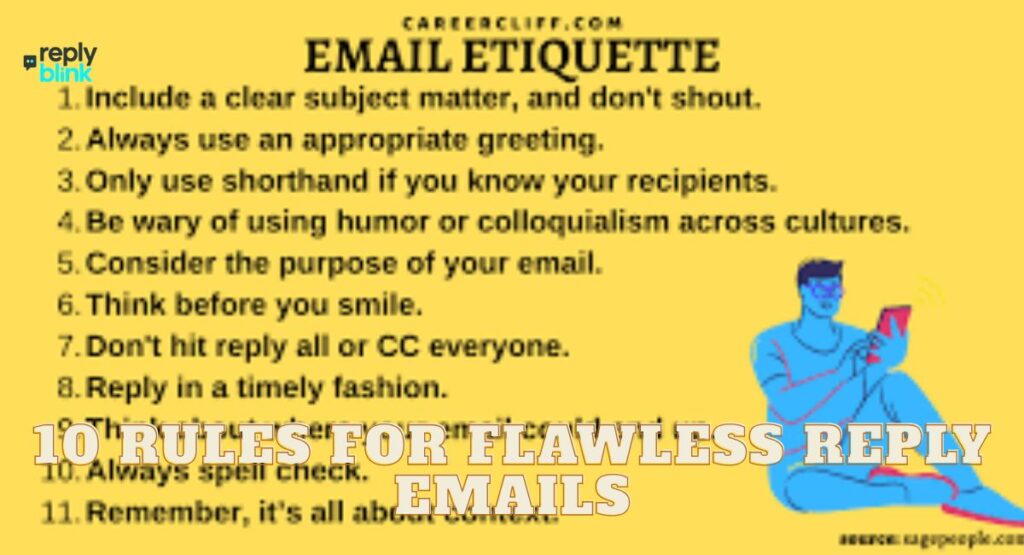
- Always acknowledge the greeting first
- Match the sender’s tone
- Keep it short and concise
- Stay polite, but still sound natural
- Avoid oversharing personal details
- Proofread before you hit send
- Be mindful of cultural norms
- Be efficient with the reader’s time
- Add warmth where it actually fits
- Don’t overthink a simple reply
What to Say Instead of “Hope You Are Doing Well”
What if you’d rather open with something a little fresher?
Strong Professional Opening Lines
- “Thank you for reaching out.”
- “I appreciate your message.”
- “Great to connect with you.”
Warm and Personal Conversation Starters
- “How have you been lately?”
- “Just wanted to check in.”
- “Hope your week’s been treating you well.”
Mastering replies isn’t really about memorizing lines. It’s about understanding how communication flows. The goal is simple: turn an ordinary message into a real connection. With these tools in your back pocket, you can face that blinking cursor with confidence and write a thoughtful reply every single time.
Conclusion
At the end of the day, I hope you are doing well and reply doesn’t have to be complicated. Keep it short. Match the tone of the person who wrote to you. A casual friend gets a casual answer. A client or manager gets something more polished. Once you know how to reply for hope you are doing well, you’ll never stare at your screen wondering what to type again.
Use these examples as a starting point, then add your own voice. A little warmth in your reply to hope you are doing well goes a long way, whether it’s a hope you are doing a good reply to a coworker or a quick note to an old friend.
Frequently asked questions
How do I reply to hope you are doing well in a formal email?
Thank the sender, then briefly answer. Try: I’m doing well, thank you for asking, and hope you are well too.
I hope you are doing well with a question or a statement?
It’s usually a statement, not a question, though many treat it as one. A simple, friendly reply works either way.
Can I just say I’m fine to hope you are doing well?
Yes, but adding a touch more warmth helps. Say I’m doing well, thanks, and ask about them in return.
Why do people start messages with hope you are doing well?
It softens the message and shows courtesy before the main point. It works like a polite handshake before real conversation starts.
What should I avoid when replying to hope you are doing well?
Avoid sounding robotic or copying the exact phrase back. Keep your reply genuine, brief, and matched to the message’s tone.